There’s something magical about the aroma of warm spices drifting through the kitchen—especially when those spices are wrapped inside a tender, honey-sweetened cake. Nonnettes, traditional French gingerbread cakes, capture exactly that magic. Originating from the medieval town of Dijon, these charming little cakes were once made by nuns—hence the name nonnettes, which means “little nuns.”
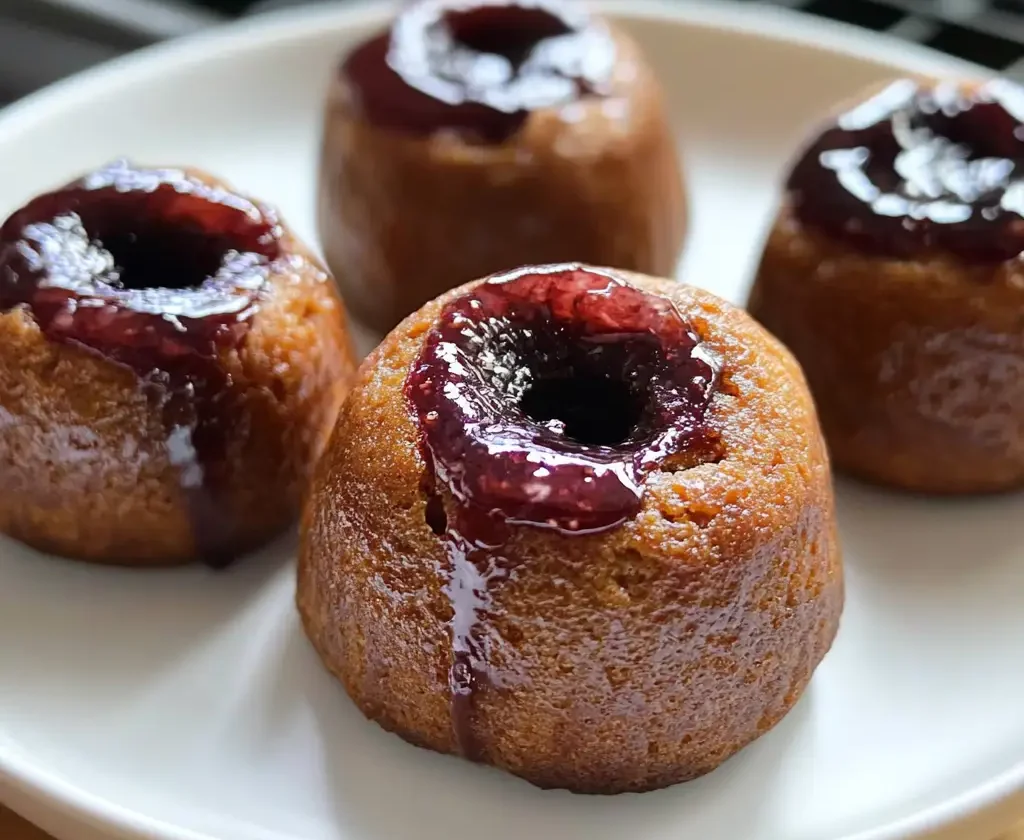
Their signature? A soft, moist crumb enriched with honey, warm spices, and a surprise center of jam that melts into the cake as it bakes. Glazed while still warm, they become shiny, fragrant, and utterly irresistible. Whether you’ve tried them in France or are discovering them for the first time, nonnettes offer a beautiful balance of sweetness, spice, and citrus.
These cakes are perfect for holiday baking, afternoon tea, or gifting to the people you love. And while their flavor may be centuries old, their simplicity makes them feel right at home in any modern kitchen. Let’s explore how to make these little spiced treasures in your own oven.
What Are Nonnettes?
Nonnettes are small, soft gingerbread cakes made with honey, warm spices, and citrus zest. Traditionally filled with orange or black currant jam and finished with a tangy lemon glaze, they offer a tender texture that’s moist, sticky, and deeply flavorful. These cakes are typically baked in small molds and enjoyed during the holiday season—but they’re wonderful any time of year.
Ingredients & Instructions
This recipe stays true to the classic preparation, with a few helpful tips along the way so your Nonnettes turn out beautifully sticky and aromatic.
Ingredients
- ½ cup honey
- ½ cup dark brown sugar
- ¾ cup water
- 6 tablespoons unsalted butter
- 3 tablespoons neutral oil
- 1½ cups all-purpose flour
- ¾ cup rye flour
- 1 tablespoon pain d’épices spice blend
- 1 teaspoon ground cinnamon
- 2 teaspoons baking powder
- 1 teaspoon baking soda
- ¼ teaspoon salt
- 1 tablespoon rum
- 1 teaspoon vanilla extract
- 2 teaspoons orange zest
- 1 large egg yolk
- Black currant jam or orange marmalade
- ¾ cup powdered sugar
- 3 tablespoons lemon juice
Step-by-Step Instructions
1. Make the Honey Syrup
In a medium saucepan, warm the honey, dark brown sugar, water, butter, and oil over medium heat. Stir until the mixture is melted, smooth, and fully combined. Once everything is dissolved, remove from heat and let it cool slightly—this helps prevent curdling when mixed with the egg yolk later.
Tip: The use of both butter and oil keeps the cakes moist while giving them a soft crumb.
2. Mix the Dry Ingredients
In a large bowl, whisk together the all-purpose flour, rye flour, baking powder, baking soda, salt, cinnamon, and pain d’épices.
The rye flour adds depth and earthiness—classic to French gingerbread.
3. Combine Wet & Dry Mixtures
Pour the warm honey mixture into the bowl of dry ingredients. Stir gently until it begins to come together. Add the rum, vanilla extract, orange zest, and egg yolk, mixing until the batter is smooth and fragrant.
The orange zest brightens the flavor and pairs beautifully with the dark spice notes.
4. Prepare the Molds & Add the Jam
Grease a mini cheesecake pan or small muffin molds. Fill each mold halfway to two-thirds full. Using a spoon, make a small indentation in the center of the batter and add about one teaspoon of jam.
If you prefer a fully enclosed jam center, add a small spoonful of batter on top.
5. Bake
Bake the nonnettes at 375°F (190°C) until the tops are golden and the cakes spring back when lightly pressed—usually 12–18 minutes depending on mold size.
6. Glaze the Cakes
In a small bowl, whisk together powdered sugar and lemon juice until smooth.
While the cakes are still warm in the molds, spoon the glaze generously over the tops. It will soak in slightly and form the signature shiny finish as it cools.
Let the cakes cool before removing them from the molds. The glaze sets firmly, giving the cakes that beautiful polished look.
Cooking Tips & Variations
Use the Right Spices
Pain d’épices is a French spice blend often containing:
- cinnamon
- cloves
- ginger
- nutmeg
- cardamom
- star anise
If you can’t find it, make your own blend or use pumpkin spice with a pinch of anise.
Try Different Jams
Traditional fillings include:
- black currant jam (classic)
- orange marmalade
- apricot jam
- raspberry preserves
Choose something slightly tart—it balances the honey beautifully.
Flavor Add-Ins
Customize your cakes with:
- a pinch of black pepper for warmth
- extra citrus zest
- a splash more rum for richness
Shape Options
If you don’t have mini cheesecake molds, use:
- muffin tins
- mini loaf pans
- silicone molds
Just adjust the baking time accordingly.
Storage & Serving Suggestions
Storage
Nonnettes store exceptionally well due to the honey content.
- Room temperature: up to 1 week in an airtight container
- Refrigerator: up to 2 weeks
- Freezer: up to 2 months (freeze un-glazed, add glaze after thawing)
They actually taste even better the next day as the flavors deepen.
Serving Ideas
Serve nonnettes with:
- hot tea
- mulled wine
- a cappuccino
- an afternoon snack platter
Their sticky, spicy sweetness makes them perfect for cold-weather gatherings or cozy evenings at home.
Making Nonnettes at home brings a little piece of French tradition to your kitchen. With their spiced aroma, soft honey-infused crumb, jammy center, and glossy lemon glaze, these cakes deliver all the comfort and charm of old-world baking. Simple enough for everyday enjoyment but special enough for holidays, they’re a treat you’ll want to make again and again.
Whether you savor them fresh from the oven or enjoy them the next day as the flavors deepen, Nonnettes have a way of bringing warmth and nostalgia with every bite.
FAQs
1. Can I make nonnettes without rye flour?
Yes—simply replace it with all-purpose flour, though the flavor will be slightly lighter.
2. What can I use instead of rum?
Orange juice, apple juice, or extra vanilla extract work well.
3. Can I skip the glaze?
You can, but the glaze adds signature flavor and shine. A light dusting of powdered sugar is an alternative.
4. How do I prevent the jam from sinking?
Keep the batter thick and avoid overfilling the indentation with jam.
5. Are nonnettes supposed to be sticky?
Yes! Their moist, slightly sticky texture is part of their charm.
Discover how to make traditional Nonnettes—French gingerbread cakes filled with jam, sweetened with honey, and glazed with lemon. Soft, spiced, and perfect for the holidays.